- Start date
- 1 November 2024
- End date
- 31 December 2026
Project Overview
The Community-Based Conservation Initiative was implemented in 2024 by IFES Institute Somalia, in collaboration with Somali Aid Vision (SAV) – Puntland Office, to address growing environmental challenges affecting communities across Puntland.
Puntland faces increasing environmental pressures, including deforestation, land degradation, overgrazing, and the impacts of climate variability. These challenges threaten livelihoods, particularly for rural and coastal communities that depend heavily on natural resources for survival. Limited awareness of sustainable environmental practices and weak community-level management systems further exacerbate the situation.
In response, the initiative was designed to promote community-led conservation efforts by strengthening local knowledge, encouraging behavioral change, and supporting practical environmental protection measures. The project emphasized the importance of local ownership and participation in safeguarding natural resources for future generations.
Reach and Community Engagement
The project engaged a wide range of community stakeholders, including:
Rural households dependent on natural resources
Youth groups and community volunteers
Local leaders and community-based organizations
Women involved in natural resource utilization and household management
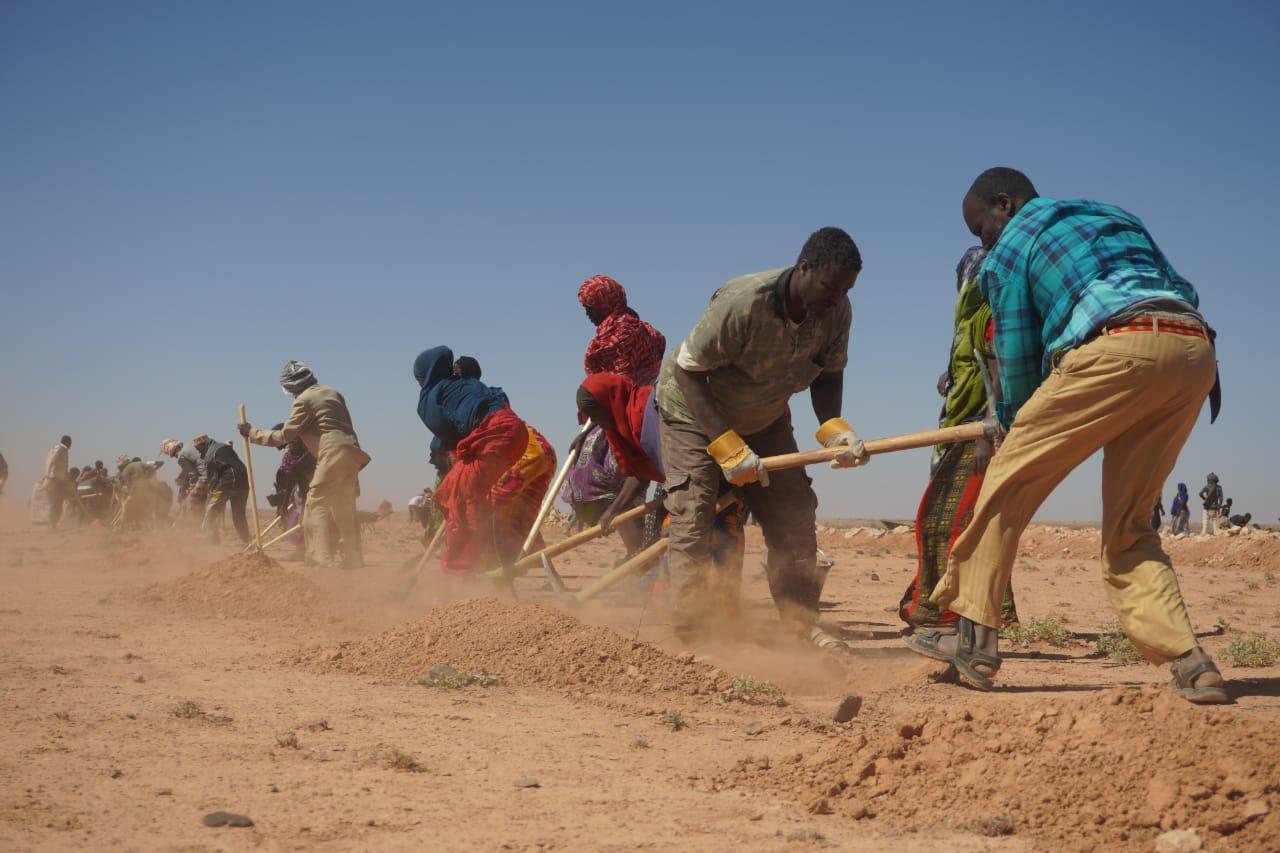
A participatory and inclusive approach was central to the project’s implementation. Community dialogues, awareness campaigns, and practical activities were conducted to ensure active involvement and shared responsibility. This approach fostered stronger community cohesion and collective action toward environmental protection.
Outcomes and Impact
The initiative generated tangible improvements in environmental awareness and community practices:
200+ community members reached through awareness and training sessions
Increased adoption of sustainable natural resource management practices
Improved community awareness of environmental conservation and climate risks
Strengthened local structures for environmental stewardship
Enhanced participation of youth and women in conservation activities
Positive behavioral change toward protection of land, water, and coastal ecosystems
Long-Term Impact
The project contributed to building more resilient communities by promoting sustainable interaction with the environment. Key long-term benefits include:
Reduced environmental degradation through improved local practices
Strengthened community capacity to respond to climate-related challenges
Increased ownership of conservation initiatives at the grassroots level
Protection of natural resources as a foundation for sustainable livelihoods
Conclusion
The Community-Led Environmental Conservation and Natural Resource Management Initiative demonstrated that empowering communities with knowledge and practical tools can significantly improve environmental outcomes. Through collaboration between IFES Institute Somalia and Somali Aid Vision (SAV), the project successfully fostered a culture of environmental responsibility and laid the groundwork for sustainable development in Puntland.